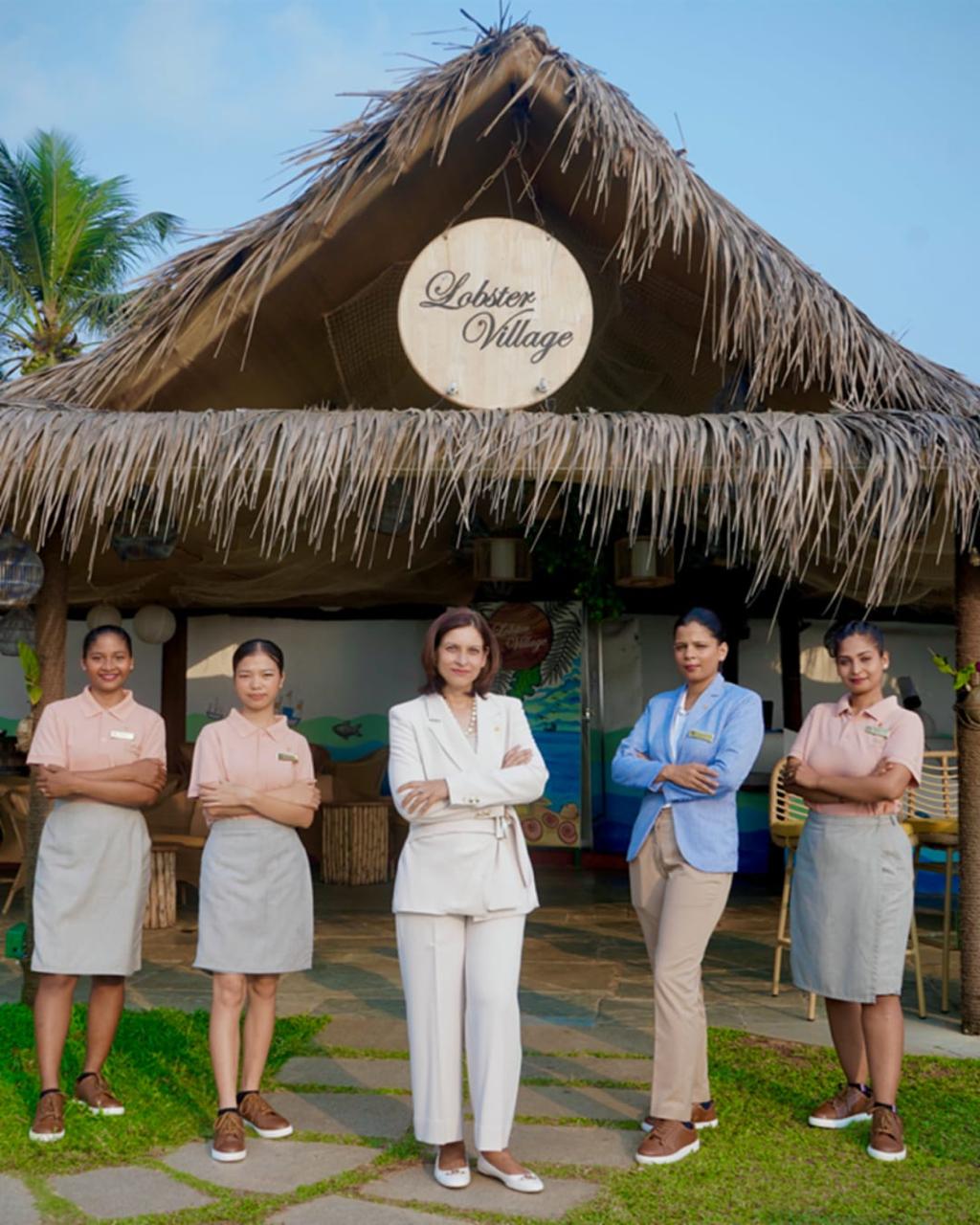
Goa, September 26, 2026: As India’s hospitality sector evolves across luxury, heritage and lean-luxury formats, senior hotel leaders are increasingly required to combine operational expertise with agility, continuous learning and people development, according to Ms. Sheetal Singh, Vice President - Hotel Openings, Full Service Business, The Indian Hotels Company Limited (IHCL).
Drawing on nearly three decades of experience across different hotel formats, Ms. Singh said the ability to adapt to changing operating environments has become increasingly important for hospitality professionals.
“If there is one quality that has consistently helped me navigate change, it is agility. The hospitality industry rewards those who can adapt quickly, remain curious and continue innovating,” Ms. Singh said.
Her observations come from experience across different segments of the hospitality business. Ms. Singh began her operational career in the rooms division and served as Deputy Housekeeper at The Taj Mahal Palace & Tower, Mumbai. She subsequently worked across properties including Ambassador, New Delhi – IHCL SeleQtions and was involved in the pre-opening of Ginger Mumbai Airport.
The assignments required different approaches to operations, service delivery, team management and customer expectations, reinforcing the need for hotel leaders to adapt management practices according to the operating model.
Ms. Singh also pursued a Black Belt Certification in Six Sigma, adding process and analytical capabilities to her hospitality experience.
Continuous Upskilling Gains Relevance for Senior Leadership
Ms. Singh believes learning and professional development should continue even after executives move into senior management roles.
Her own decision to return to formal education illustrates that approach. While exploring an Executive MBA at Les Roches, Ms. Singh learned that she would first need to complete an undergraduate degree. She subsequently returned to university while continuing to manage her professional responsibilities.
According to Ms. Singh, the experience reinforced the importance of remaining open to learning irrespective of career stage or organisational hierarchy.
“The willingness to embrace change, the resilience to keep moving forward when the path is uncertain, and the curiosity to keep learning” have remained important throughout her professional experience, she said.
People Development Becomes a Leadership Priority
Alongside operational performance, Ms. Singh identifies talent development as another important component of contemporary hospitality leadership.
At South Goa operations, her approach includes encouraging teams to challenge established processes, explore new ideas and take on responsibilities outside their conventional roles.
The emphasis reflects a broader change in management expectations, where senior leaders are increasingly required not only to oversee hotel operations but also to develop teams capable of responding to changing guest expectations and business requirements.
Ms. Singh believes creating opportunities for employees to recognise their strengths and expand their capabilities can contribute to stronger teams and more adaptable hotel operations.
With hospitality businesses operating across increasingly diverse formats and customer segments, her experience underscores three areas gaining importance in hotel leadership — operational discipline, adaptability and continuous professional development.
Rather than treating experience and learning as separate stages of a career, Ms. Singh advocates an approach where seniority is accompanied by continued curiosity, reskilling and a willingness to reconsider established ways of working.